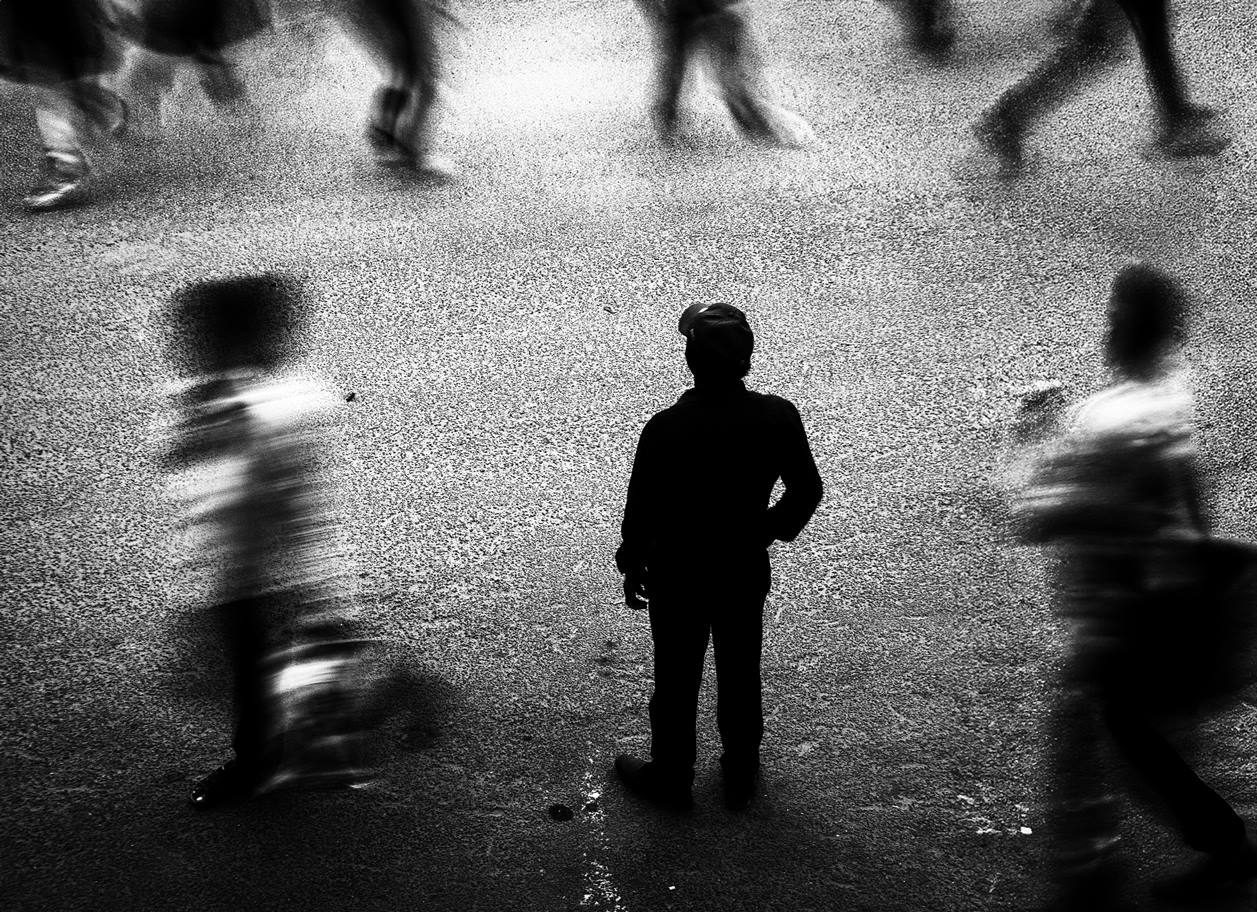
The Gray Man Concept: Mastering Evasion and Threat Detection Mitigation
In a world growing increasingly unpredictable, from civil unrest to natural disasters, the need for individual security strategies has never been more relevant. The “Gray Man” concept has emerged as a powerful tactic for those looking to stay safe and under the radar. Blending into your surroundings, minimizing attention, and avoiding unnecessary confrontation are key principles. This article explores what gray man tactics are, the psychology behind evasion, and practical methods to mitigate detection by threats—whether they’re opportunistic criminals, hostile individuals, or mass chaos situations.
What Is the Gray Man Concept?
The Gray Man concept is a strategy rooted in blending in with the environment and people around you. It’s about becoming unremarkable, unnoticeable, and ultimately forgettable. The goal is to avoid standing out in any way that might make you a target.
In the context of urban survival, self-defense, or prepping, going “gray” allows you to:
- Move through crowds without drawing attention
- Avoid becoming a target for criminals or threats
- Escape hostile situations discreetly
- Carry essential gear without appearing tactical
The term itself is a metaphor. Just as gray is a neutral color, a “gray man” aims to be psychologically and visually neutral, adopting the characteristics of the “average person” in any given environment.
Why Go Gray? The Psychology Behind It
Understanding the psychology behind threat detection is key to mastering gray man tactics. Humans are hardwired to notice anomalies. Whether it’s a loud noise, a bright color, or suspicious body language—anything out of the ordinary triggers the brain’s threat detection system.
Gray man tactics exploit the opposite principle—what’s known as selective inattention. In psychology, this refers to the human tendency to filter out things that aren’t deemed immediately important. People naturally overlook what blends in.
Situational awareness works both ways. While you stay aware of your environment, the goal is to manipulate how others perceive—or fail to perceive—you.
Gray Man Clothing and Appearance
The first layer of gray man strategy is your visual profile.
What Not to Wear:
- Tactical gear (e.g., MOLLE vests, camo, combat boots)
- Military-style backpacks
- Logos of firearm companies or political affiliations
- Overly fashionable or flashy clothing
- Bright colors or patterns
What to Wear Instead:
- Neutral tones (gray, black, navy, khaki)
- Plain clothing with no logos or graphics
- Comfortable, local-style attire
- Well-worn, unassuming footwear
- Basic backpack (school style or commuter bag)
Blend with the people around you. In an urban environment, look like a commuter. In a suburban setting, look like a neighbor out for a walk. In a rural environment, blend with the local norms.
Behavioral Tactics: Blending Beyond Sight
Being a gray man is more than just how you look. It’s also how you act, move, and interact.
1. Body Language
- Keep a relaxed posture
- Don’t fidget or pace
- Avoid sudden movements
- Stay calm, even in stressful situations
2. Situational Interaction
- Don’t stare at people or make too much eye contact
- Don’t overly avoid eye contact—look natural
- Speak only when necessary and in a neutral tone
- Mimic the rhythm and behavior of the group
3. Movement Discipline
- Avoid choke points or bottlenecks
- Stay in the middle of groups rather than at the front or back
- Use shadowed areas or walls for cover when moving
- Walk with purpose but not urgency unless the situation demands it
4. Noise Signature
- Avoid loud conversations, whistling, or jingling gear
- Keep your phone on silent
- Don’t wear noisy shoes or accessories
Tools of the Trade: What a Gray Man Carries
While appearing average, a gray man may carry tools to ensure survival or escape. The key is concealment without suspicion.
Recommended Gray Man EDC (Everyday Carry):
- Folding knife or multitool (discreet, legal length)
- Compact flashlight (preferably neutral colored)
- Minimalist first aid kit
- Concealed self-defense tool (if legal and trained)
- Hidden cash or emergency currency
- Portable phone charger or signal blocker
- Water purification tabs
- Local maps or GPS backup
Packing Tips:
- Use a standard, non-tactical backpack
- Hide gear inside innocuous containers (e.g., Altoids tins)
- Don’t overload yourself—keep your profile slim
Remember: If you look like you’re carrying valuable gear, you defeat the purpose.
Gray Man in Urban Environments
Cities are dynamic, populated, and surveillance-heavy, requiring extra awareness. In a gray man context:
- Avoid surveillance cameras where possible
- Don’t use the same route twice if being followed
- Use public transportation to break visual contact
- Learn to “stack” your appearance by layering/removing garments to change your look mid-transit
If evading someone or trying to move through civil unrest:
- Blend with protestors without participating
- Wear easily removable or reversible clothing
- Use crowds for cover but stay near escape paths
Gray Man in Rural or Wilderness Environments
The gray man concept adapts differently to the outdoors. While the goal is still low visibility, environmental blending takes center stage.
Key Tips:
- Earth tones work better than urban grays
- Stay below ridgelines or skyline when moving
- Avoid creating trails or tracks
- Camouflage may be appropriate—only if everyone else looks the same
- Use natural cover, and stay quiet
- Avoid using light or fire unless absolutely necessary
Mitigating Detection by Hostiles
One of the core goals of gray man tactics is avoiding detection by those with harmful intent. This involves anticipating how others assess threats and exploiting their blind spots.
1. Understand the Threat
- Are they looking for someone specific?
- Are they opportunistic (looking for anyone vulnerable)?
- Are they operating in groups or alone?
2. Be Forgettable
- Keep conversations short
- Avoid leaving a digital or physical trail
- Don’t repeat routines that others can track
- Use generic aliases if you must communicate
3. Counter-Surveillance
- Use reflections to check behind you
- Take unpredictable routes
- Pause frequently to look for tails
- Blend into shops or groups to “shake” surveillance
4. Digital Gray Man Tactics
- Avoid social media check-ins
- Use VPNs and anonymous browsing tools
- Minimize geotagged content
- Secure your devices with encryption
Gray Man During Emergencies or Civil Unrest
Crisis situations escalate risk. In these cases, going gray is critical to avoid being seen as a resource or a threat.
Situations That Warrant Gray Man Tactics:
- Natural disasters
- Riots and protests
- Martial law
- Mass evacuations
- Long-term grid-down scenarios
In these situations, the gray man should:
- Avoid wearing tactical or prepper-looking gear
- Travel at off-peak hours or at night
- Minimize visible supplies (especially water or food)
- Stay off major roads if possible
- Avoid engaging in arguments, helping too openly, or looking like you have leadership potential
The more self-reliant and capable you seem, the more you become a target. Hide your capability behind a mask of mediocrity.
Gray Man vs. Shepherd Mentality
There’s often a debate between being the gray man and stepping up to protect or lead others. The truth is, both roles have their time and place.
A shepherd may need to:
- Help others in danger
- Defend property or loved ones
- Provide leadership in chaos
But the gray man knows:
- When to hide and when to act
- How to blend until the moment of necessity
- That survival sometimes requires invisibility
You can train to be both, but know that going gray is often the first move in any crisis—it buys you time, options, and safety.
Training and Mindset
Gray man tactics require mental and physical discipline. It’s a mindset you cultivate—not a costume you put on.
How to Train:
- Practice walking through public areas without drawing attention
- Have friends try to follow you—then work to lose them discreetly
- Time your exits and entries in different environments
- Learn to read a room quickly and identify threats
- Study local habits, dress codes, and slang
Mental Preparation:
- Stay emotionally neutral during stress
- Avoid overreacting or escalating situations
- Get comfortable with boredom—gray man life isn’t exciting
- Embrace the mundane—because being unremarkable is the ultimate camouflage
Conclusion
Becoming a gray man isn’t about paranoia—it’s about preparation and empowerment. Whether you’re navigating a crowded city, escaping civil unrest, or simply avoiding becoming a target, mastering the art of evasion and mitigating detection can make the difference between safety and danger.
In a world that’s louder, flashier, and more chaotic than ever, invisibility has become a superpower. The gray man isn’t weak or passive—he’s the invisible observer, the quiet guardian, the last to be noticed and the first to survive.